Lead Time of Custom Embroidered Patches: How to Speed Up Production
By sunny season patches
October 20th, 2025
288 views
Lead Time of Custom Embroidered Patches: How to Speed Up Production
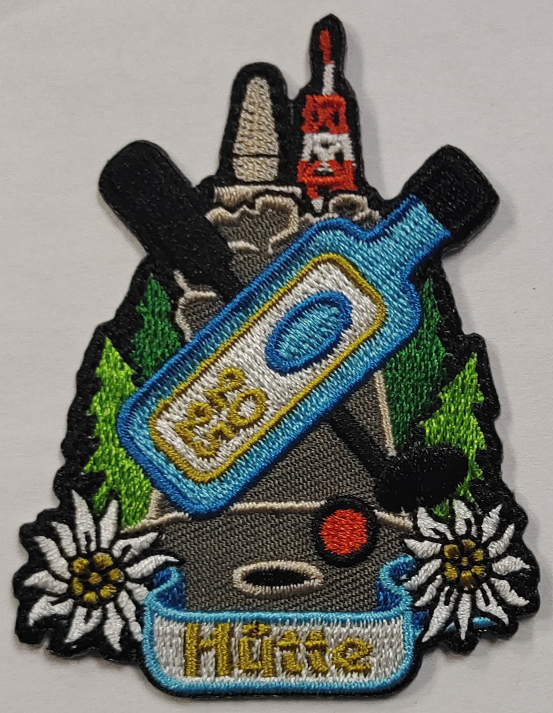
For businesses and organizations ordering Custom Embroidered Patches, production lead time is a crucial consideration. Whether you're on a tight deadline or simply looking to optimize your supply chain, understanding the factors that influence production speed—and how to improve it—can give you a significant advantage.
This article explores practical strategies to accelerate the production of custom embroidered patches without compromising on quality.
What Factors Affect Embroidery Patch Production Time?
The time required to produce custom patches depends on several variables. The complexity of your design plays a major role—a simple, single-color logo will naturally stitch faster than a intricate, multi-colored emblem with fine details. The number of patches in your order also impacts the timeline, as larger quantities benefit from optimized batch processing.
Other factors include the equipment used by your supplier. Modern multi-needle embroidery machines with automation features can significantly outpace older, single-needle models. Finally, the skill of the operator in preparing the digital design (digitizing) and managing the production workflow is a critical, though often overlooked, component.
Key Strategies to Speed Up Custom Embroidered Patches Production
1. Optimize Your Design for Manufacturing
One of the most effective ways to reduce production time starts with the design itself.
-
Simplify When Possible: Review your design and identify elements that can be simplified without losing its core identity. Reducing the number of very fine details or complex color gradients can lead to faster stitching times.
-
Reduce Stitch Density: While a certain stitch density is necessary for quality, overly dense stitching increases production time and thread usage. Studies suggest that reducing stitch density by just 10% can cut production time by up to 15%. A good supplier can advise on the optimal density for your patch.
-
Minimize Color Changes: Each time the machine stops to change thread colors, it adds to the total production time. Consolidating colors or designing with a minimized color palette can lead to substantial time savings.
2. Leverage Technology and Automation
Investing in the right technology is a game-changer for speed.
-
Use Modern Multi-Needle Machines: Multi-needle embroidery machines (e.g., 6-needle or 12-needle) allow for multiple thread colors to be loaded simultaneously, drastically reducing or even eliminating downtime for color changes compared to single-needle machines .
-
Automate with Software: Advanced digitizing software can optimize the stitch path—the sequence in which the needle moves to create the design. An efficient path minimizes unnecessary backtracking and jumps, shaving valuable minutes off each patch. Some software can also automatically suggest ways to simplify layers for faster production.
-
Embrace Automated Machine Features: Modern machines come with features like automatic thread trimmers and hooping systems. These features reduce manual intervention, minimize errors, and keep the production running smoothly, leading to a faster overall output.
3. Streamline the Production Workflow
Efficiency behind the scenes is as important as the speed of the machine.
-
Strategic Organization: A well-organized workspace saves time. This includes keeping thread spools organized in the order of use, having backup supplies like pre-wound bobbins and hoops readily available, and using tools like magnetic hoops that speed up fabric placement.
-
Effective Production Scheduling: Using production scheduling software helps in planning the queue efficiently, ensuring that machines are running optimally with minimal downtime between jobs. This is particularly effective for managing multiple orders and meeting tight deadlines.
-
Batch Processing: Group similar patch orders together. Running all patches with the same thread colors or on the same fabric type in a single batch reduces the frequency of machine changeovers, which is a significant time-saver.
4. Partner with the Right Supplier
Your choice of manufacturer has a significant impact on lead time.
-
Assess Their Capabilities: When selecting a supplier, inquire about their equipment. Do they use modern, automated multi-head machines? What is their typical turnaround time for orders similar to yours?
-
Communicate Your Timeline Clearly: Be upfront about your deadline. A reliable supplier can often adjust their schedule or provide valuable advice early on about how to design your patches for the fastest possible production.
-
Provide Clear Artwork: Supplying high-quality, vector-based artwork (e.g., AI, EPS, or SVG files) from the start prevents delays caused by back-and-forth communications to clarify design details. This allows the digitizing process to begin immediately and without errors.
Conclusion: Balancing Speed and Quality
Speed is essential, but it should not come at the expense of a high-quality finished product. The goal is to implement intelligent strategies that create an efficient workflow. By optimizing your design, leveraging modern technology, and partnering with an experienced supplier, you can significantly reduce the lead time for your custom embroidered patches while ensuring they meet your quality standards.
Planning ahead and applying these tips will ensure you get your patches faster, helping you meet your project deadlines with confidence.
Previous
Embroidered Patches for Military Uniforms: Key Requirements for Manufacturers
Read More
Next
Embroidered Patches vs Woven Patches: Which is More Suitable for Your Business?
Read More


