Embroidered Patches vs Woven Patches: Which is More Suitable for Your Business?
By sunny season patches
October 21st, 2025
235 views
Embroidered Patches vs Woven Patches: Which is More Suitable for Your Business?
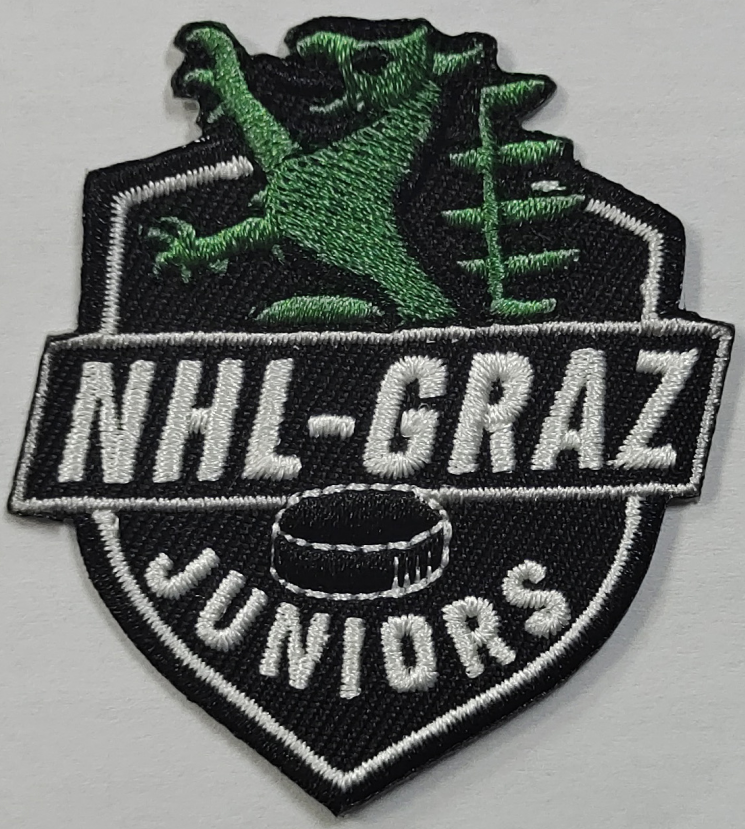
In the competitive world of business branding, every detail matters. Custom patches have emerged as a powerful tool for enhancing brand visibility, fostering team unity, and creating a professional image. However, choosing between the two most popular types—embroidered and woven patches—can be challenging. Both options offer unique advantages, but they cater to different needs and objectives. This comprehensive guide will help you determine which patch type is more suitable for your business, exploring the key differences in durability, design capabilities, cost, and ideal applications.
1. Understanding the Fundamental Differences
The primary distinction between embroidered and woven patches lies in their manufacturing process. Embroidered patches are created by stitching threads ontoa fabric backing, resulting in a raised, textured appearance with a three-dimensional effect. This method uses thicker threads and a greater stitch density, giving the patch more body and a robust feel.
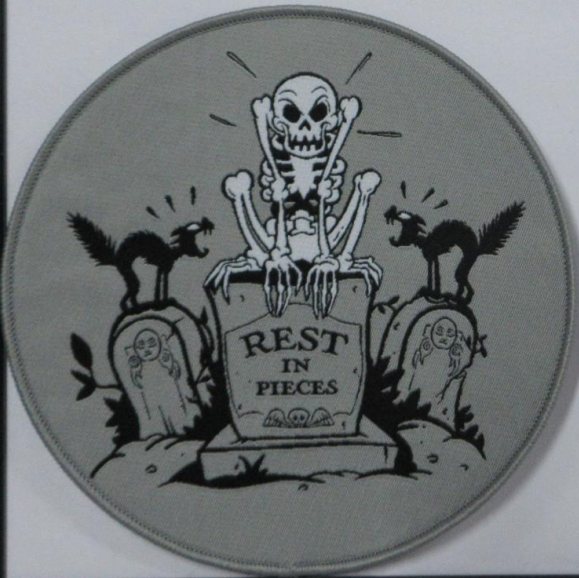
In contrast, woven patches are made by interlacing thin threads on a loom, where the design becomes an integral part of the fabric itself. This process creates a smooth, flat surface that is thinner and more flexible than its embroidered counterpart. The fundamental difference in technique leads to variations in texture, durability, and the level of detail that can be achieved, making each type uniquely suited for specific branding scenarios.
2. Texture and Appearance: Classic vs. Modern
The visual and tactile appeal of your patch plays a significant role in how your brand is perceived.
Embroidered Patches: The Classic Textured Look
-
Raised, 3D Effect: Embroidered patches offer a textured, raised appearance that adds depth and a traditional, high-quality feel.
-
Rugged and Vintage Appeal: This classic look is ideal for brands aiming for a rugged, professional, or vintage aesthetic. It's particularly effective for uniforms, tactical gear, and motorcycle clubs where a strong, durable image is important.
-
Tactile Element: The physical texture can make the patch more noticeable and engaging to the touch, enhancing the perceived value.
Woven Patches: The Sleek and Modern Finish
-
Smooth and Flat: Woven patches have a smooth, flat finish that provides a sleek and modern appearance.
-
Professional and Refined: This polished look is perfect for corporate branding, high-end apparel, and situations where a subtle yet sophisticated identity is desired.
-
Resembles Printing: The woven technique can achieve a look that closely resembles printed fabric, but with greater durability and a more integrated feel.
3. Design and Detail: Boldness vs. Precision
The complexity of your logo or design is a critical factor in choosing the right patch type.
Embroidered Patches for Bold Designs
-
Best for Simpler Artwork: Embroidered patches are ideal for logos with bold shapes, clear text, and fewer intricate details. The thicker thread can cause very small text or extremely fine lines to blur or lose definition.
-
Limitations on Complexity: To embroider a complicated design, digitizers often need to remove some details to make it feasible. If your logo is highly detailed, an embroidered patch might not capture all its nuances.
Woven Patches for Intricate Details
-
Superior for Fine Details: Woven patches excel at capturing intricate designs, complex patterns, gradients, and small text . The use of finer threads allows for much higher precision.
-
Sharp and Clean Lines: This method provides cleaner lines, making it the preferred choice for designs with a lot of text, detailed portraits, or sophisticated artwork where every element needs to be sharp and legible.
Table: Design Capability Comparison
|
|
|
|
|
|
Bold logos, simple shapes
|
Intricate designs, small text
|
|
|
|
Excellent for small, fine text
|
|
|
|
|
|
|
|
Can be achieved effectively
|
4. Durability and Longevity: Ruggedness vs. Delicate Strength
Consider how the patched items will be used and cared for, as this impacts which type will last longer.
Embroidered Patches: Built for Heavy Wear
-
Exceptional Durability: Known for their rugged longevity, embroidered patches are highly resistant to wear and tear . They can withstand frequent washing, harsh conditions, and high friction, making them a staple for military uniforms, workwear, and outdoor gear.
-
Fade and Peel Resistance: The stitched design will not fade or peel over time, ensuring the patch maintains its appearance.
Woven Patches: Durable but More Delicate
-
Longevity with Care: Woven patches are also durable and can maintain their appearance over time. The tight weave is resistant to fraying.
-
Prone to Damage Under Stress: However, they are generally less durable than embroidered patches when subjected to extreme abrasion or harsh conditions. They are better suited for items that require a more professional look but experience less physical stress.
5. Cost and Production Considerations
Budget, timeline, and order quantity are practical concerns that can influence your decision.
-
Cost-Effectiveness: Embroidered patches are generally more affordable, especially for bulk orders, offering a high perceived value at a lower cost. Woven patches can be more cost-effective for highly detailed designs that would be expensive or impossible to emulate with embroidery, but they are often priced higher for comparable sizes.
-
Minimum Order Quantity (MOQ): Embroidered patches often come with higher MOQs, which can be a barrier for small businesses or trial orders. Woven patches frequently have no or low minimum order requirements, providing greater flexibility.
-
Production Time: Woven patches typically have a faster production time due to the efficiency of the weaving process, which is beneficial for projects with tight deadlines.
Table: Practical Considerations
|
|
|
|
|
|
|
|
|
|
|
|
|
|
|
|
|
|
Large-scale uniform programs
|
Small runs, detailed designs
|
6. Making the Right Choice for Your Business
Your choice should ultimately align with your brand identity, the patch's application, and your practical needs.
Choose Embroidered Patches if:
-
Your brand aesthetic is classic, rugged, or vintage.
-
Your logo has bold elements without extremely fine details.
-
The patches will be applied to uniforms, gear, or items that will undergo heavy use and require maximum durability.
-
You have a large order quantity and are looking for a cost-effective solution.
Choose Woven Patches if:
-
Your brand identity is modern, sleek, and professional.
-
Your logo, artwork, or text is highly intricate and detailed.
-
The patches will be used on corporate wear, polo shirts, hats, or promotional items where a flat, lightweight, and comfortable feel is desired.
-
You need a small batch for an event or trial and want to avoid high minimum orders.
Conclusion
There is no universal winner in the debate between embroidered and woven patches. The decision hinges on your specific business needs. Embroidered patches offer a timeless, durable, and textured solution for brands that value a strong, tactile presence. Meanwhile, woven patches provide a refined, detailed, and modern alternative for showcasing complex designs with precision.
By carefully considering the factors of texture, design complexity, durability, and cost outlined in this guide, you can select the patch type that will most effectively elevate your brand and leave a lasting impression on your audience. For the best results, always request physical samples from your supplier before placing a full order. This allows you to feel the quality and see the colors firsthand, ensuring the final product perfectly represents your brand.
Previous
Lead Time of Custom Embroidered Patches: How to Speed Up Production
Read More
Next
Top 5 Embroidered Patches Suppliers on Alibaba: Reviews & Comparisons
Read More


