Embroidered Patches for Military Uniforms: Key Requirements for Manufacturers
By sunny season patches
October 19th, 2025
238 views
Embroidered Patches for Military Uniforms: Key Requirements for Manufacturers
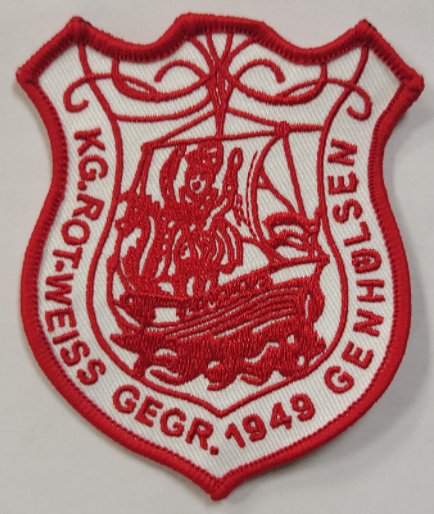
Embroidered patches serve as more than just decorative elements on military uniforms—they are powerful symbols of identity, achievement, and unit pride. For manufacturers, producing these patches requires a unique blend of artistic skill, technical expertise, and deep understanding of military specifications. This article explores the essential requirements manufacturers must meet to create high-quality, regulation-compliant embroidered patches for military applications.
1. Understanding Military Patch Specifications and Regulations
Military patches are governed by strict regulations that vary by branch and unit. Manufacturers must have thorough knowledge of these requirements to produce compliant products. For instance, the U.S. Navy specifies that patches for the Navy Working Uniform (NWU) Types II and III must feature subdued colors that match the camouflage pattern—green, olive drab, and tan—with black explicitly not authorized. Similarly, placement guidelines dictate where different patches can be worn, such as the reverse U.S. flag being authorized only on the right shoulder of the NWU Type III uniform.
Beyond color and placement, manufacturers must understand the symbolic significance of various patch types. Unit patches identify a soldier's assigned unit, rank patches denote position within the hierarchy, and award patches commemorate specific achievements or qualifications . Each category has distinct requirements that manufacturers must meticulously follow to ensure the finished product meets military standards.
2. Material Selection for Durability and Performance
The materials used in military patch construction significantly impact durability, appearance, and functionality. Manufacturers must select materials based on the patch's intended use environment. Common background fabrics include twill, velvet, felt, and reflective materials, each offering different characteristics . For uniforms subjected to harsh conditions or frequent washing, woven fabrics made from 100% cotton or cotton-polyester blends are ideal due to their durability and color retention properties.
Thread selection is equally critical. Manufacturers may use rayon, polyester, metallic, or even specialized luminous or UV threads depending on the application. For patches requiring high visibility in low-light conditions, manufacturers might incorporate glow-in-the-dark threads or reflective materials. The quality of thread directly affects how well the patch maintains its color and vibrancy over time, with higher quality threads offering better resistance to fading from sun exposure and repeated washing.
3. Manufacturing Techniques and Technologies
Several manufacturing techniques are employed in creating military patches, each with distinct advantages:
-
Embroidery: The most traditional method, embroidery involves stitching designs onto fabric backing using computerized embroidery machines. This technique produces durable patches with a raised, textured appearance that withstands rigorous military use.
-
Woven patches: For designs requiring intricate detail, woven patches offer superior resolution compared to standard embroidery. Created by weaving threads together to form the design, these patches have a flatter, smoother surface that can accommodate more complex imagery.
-
PVC patches: Made from durable plastic, PVC patches excel in tactical environments due to their water resistance, flexibility, and ability to incorporate 3D effects. They are particularly suitable for patches exposed to harsh outdoor conditions.
Advanced manufacturers utilize computer-aided design (CAD) systems to create precise digital patterns before production begins. Many also offer 3D design options and special effects like metallic threads or printing combinations to meet specific customer requirements.
4. Quality Assurance and Compliance Measures
Reputable manufacturers implement rigorous quality assurance processes throughout production. This includes strict raw material inspection, multiple quality checkpoints during manufacturing, and final product verification. For military contracts, manufacturers may need to provide quality assurance certificates and comply with specific military standards.
The proofing process is critical for ensuring customer satisfaction. Manufacturers typically create digital proofs for client review and approval before beginning full production . This allows for necessary revisions and ensures the final product accurately reflects the intended design. Additionally, manufacturers should conduct durability testing to verify that patches can withstand environmental factors like UV exposure, moisture, and repeated washing without significant fading or damage.
5. Customization Capabilities and Design Considerations
Military patches often require customization to meet specific unit needs. Manufacturers should offer comprehensive customization options including:
-
Various backing types (sew-on, iron-on, Velcro/hook-and-loop)
-
Border finishes (merrow, heat-cut, laser-cut)
-
Size variations ranging from small identification patches (1-2 inches) to larger unit patches (4-6 inches)
-
Special design elements like 3D effects, printing details, or button loops
The design process typically begins with an initial consultation where manufacturers discuss design ideas, quantity requirements, and any specific regulations. Manufacturers with military experience can provide valuable guidance on translating concept ideas into regulation-compliant designs that maintain visual impact while adhering to military standards.
6. Production Capacity and Logistics
Manufacturing military patches requires balancing quality with efficiency. Established manufacturers typically maintain minimum order quantities (often 100 pieces per design) but can scale production to meet large-volume demands. Production timelines generally range from 2-4 weeks from design approval to delivery, though expedited services may be available for urgent needs.
Manufacturers serving military clients should have capacity to handle both small custom orders and large bulk productions. Some specialized manufacturers maintain separate production lines for different patch types, allowing them to optimize processes for varying requirements. Logistics capabilities are equally important, as military units often operate on strict timelines and require reliable delivery.
Conclusion
Producing high quality embroidered patches for military uniforms requires manufacturers to balance artistic creativity with technical precision and regulatory compliance. By understanding military specifications, selecting appropriate materials, employing advanced manufacturing techniques, implementing rigorous quality controls, offering comprehensive customization, and maintaining reliable production capacity, manufacturers can meet the exacting standards of military clients. As military patch technology continues to evolve, manufacturers must stay abreast of new materials, techniques, and regulations to provide service members with patches that properly reflect their service, achievements, and unit pride.
Previous
Custom Embroidered Patches for Brand Promotion: 10 Effective Strategies
Read More
Next
Lead Time of Custom Embroidered Patches: How to Speed Up Production
Read More


