Facebook
Custom Woven Patches – Woven Patch Specification

Woven Patch Specification Hub

Configuring a woven patch begins with four decisions — backing, border finish, detail level, and size and shape — and this page helps you plan custom woven patches before the first quote. Every build is woven in-house on Japanese Tajima and BARUDAN systems with up to 9 thread colors at no extra charge, and the same workflow supports wholesale woven patches for teams, apparel brands, bag makers, and resellers.

Patch Type Woven, high detail
Backings 4 options
Border Finishes 3 styles
Thread Colors Up to 9 free
Production In-house Tajima & BARUDAN
Custom Woven Patches – Apparel Custom Patches
Decision 1

Backing Selector Matrix

Four backings are offered: iron-on, Velcro, sew-on and adhesive. The backing is the first thing to lock in, because it decides what the quote has to confirm and what the mockup has to show you before you approve a sample image.

Option What to confirm in the quote Mockup note
Iron-onHeat-activated backing
What to confirm in the quoteConfirm the exact garment fabric and its heat tolerance, and ask production to confirm the pressing method that suits that material. The adhesive face and the garment surface have to agree before you commit.
Mockup noteApprove the shape, size and border finish at the same time as the backing, because the mockup image is your reference for both the edge and the adhesive side.
VelcroHook-and-loop backing
What to confirm in the quoteConfirm which fastener side the patch carries and whether the matching panel is supplied or already exists on the gear. Ask for the fastener side to be named on the quote line.
Mockup noteRequest a mockup view that names the fastener side, so the reference image matches the part you will actually receive.
Sew-onStitched application
What to confirm in the quoteConfirm the stitch allowance your sew line needs, and check that the border finish you choose leaves clean room for that stitching. This matters most on heavier fabrics.
Mockup noteAsk for the edge style (cut or folded) to be visible in the mockup, since the sewing line follows that edge.
AdhesivePressure-applied backing
What to confirm in the quoteConfirm the target surface — packaging board, bag panel or hard accessory — and let production confirm whether a pressure-applied adhesive suits it.
Mockup noteKeep the mockup image on file as the record of the front face, and ask for the backing face to be described in writing on the same approval.
Decision 2

Border & Edge Finishing Comparison

Three finishing methods are available — heat-cut, laser-cut and folded. They are the fastest way to tell two otherwise identical patches apart, so inspect the mockup for edge shape, fold appearance and cut style before signing off.

Heat-cut

Sealed, straight edge

Inspect in the mockupLook at the outer contour: a heat-cut border should read as a clean, continuous line that follows the artwork outline without extra material showing.

Buyer decisionChoose this when you want the shape itself — not a fold — to define the patch silhouette. Confirm in the quote that the cut path matches your approved outline.

Laser-cut

Precision contour

Inspect in the mockupCheck tight curves, inner cut-outs and small logo details. This is the finish to scrutinise on freeform shapes where the edge has to follow fine artwork.

Buyer decisionUse it where the outline is the design. Ask for the cut line to be visible on the mockup so the shape is approved before production.

Folded

Turned-over border

Inspect in the mockupLook at fold appearance — the turned edge should read as a consistent band around the patch, with even width on the long sides and the corners.

Buyer decisionPick a folded border when the patch will be stitched on and you want a defined edge band. Confirm the fold width you expect in the mockup notes.

Decision 3

Detail Fidelity: What Woven Holds

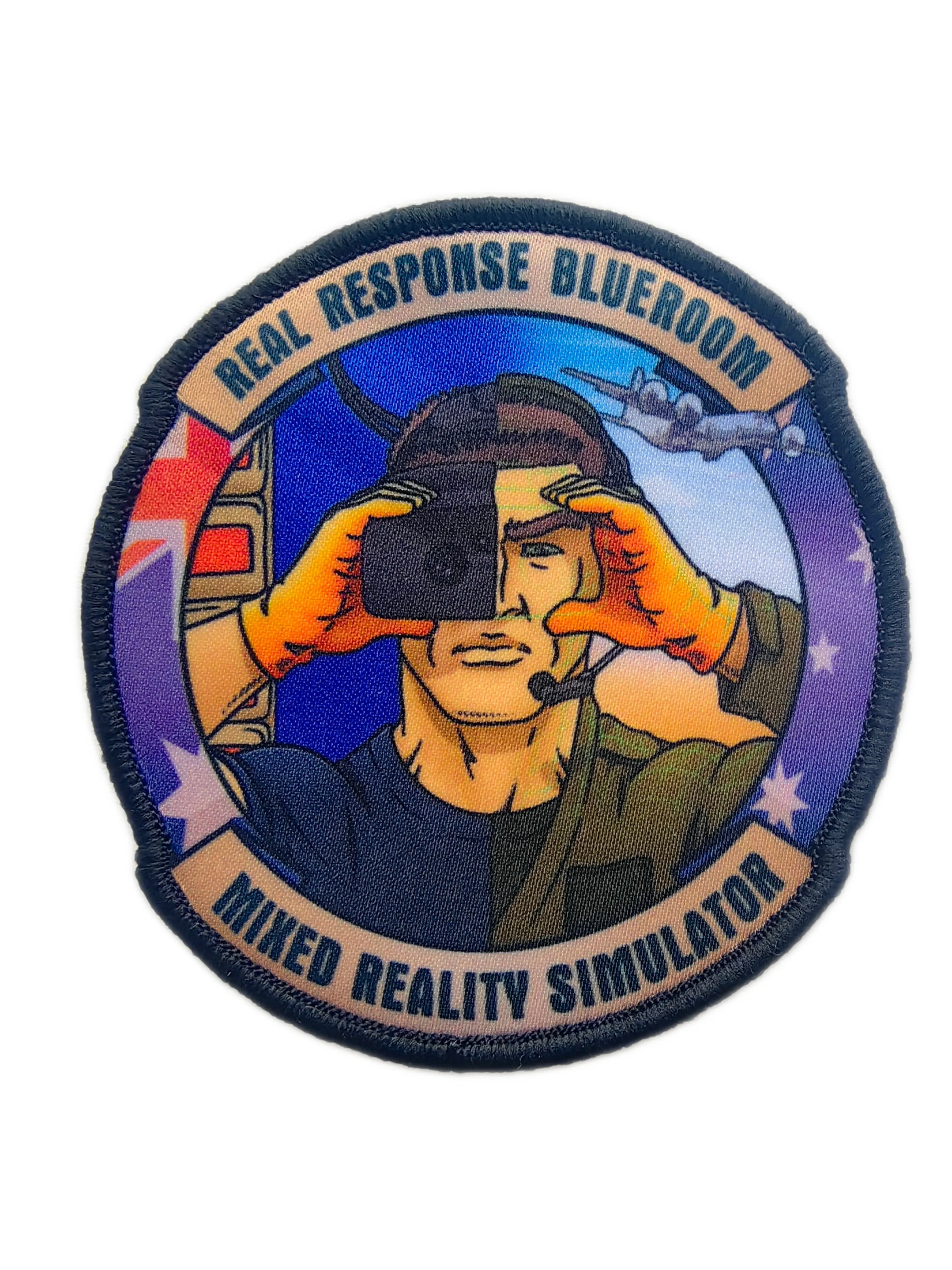
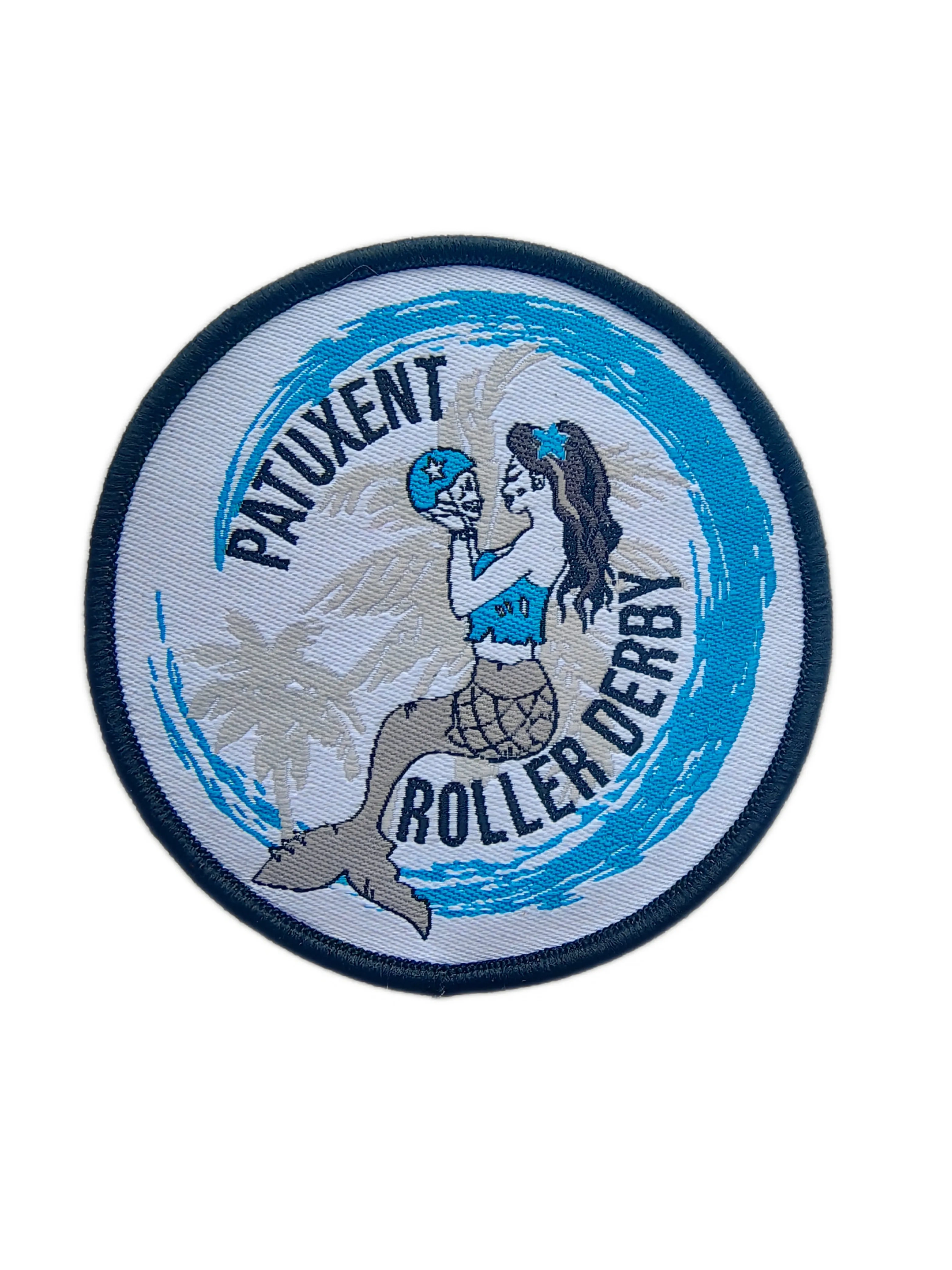
Woven construction carries dense thread layouts into a smooth, high-resolution surface. Small fonts, fine outlines and compact graphic elements stay legible, and the thinner thread profile lets the patch sit flush on a garment instead of standing proud of it.

  • Small type and outlines. Woven output keeps compact lettering and fine border lines readable where heavier thread coverage would close them up.
  • Layered color work. Up to 9 thread colors at no extra charge make multi-color artwork and layered logos practical in one patch.
  • Flush on the garment. The thinner thread profile reduces bulk, so the patch sits flat and the edge stays sharp.
  • Edge definition. Cut and folded borders are judged on the approved mockup, where the contour of the artwork is the reference.
Close view of woven patch thread density, small lettering and edge sharpness
Decision 4

Durability & Care Strip

Woven patches are built for long-term wear. Thread tension holds during washing and in motion, which helps stop the pile from lifting or curling, and the construction is engineered for frequent wash cycles and moderate abrasion without losing edge stability or warping out of shape.

Wash & motion

Thread tension holds through washing and movement, so the woven face keeps its intended appearance instead of loosening up.

Lifting & curling

Dense thread work is designed to resist lifting and curling at the edges through repeated wear.

Frequent cycles

Engineered to withstand frequent wash cycles — the deciding factor for uniforms, workwear and team kit that is cleaned on a schedule.

Abrasion & edges

Moderate abrasion is within the design brief, and the border keeps its stability while the shape resists warping.

Configuration

Size & Shape Configuration Cards

Sizes, shapes and layout are fully customizable — from a rectangular clothing tag to a freeform logo silhouette. Pick the geometry that matches where the patch will live, then confirm the final trim size on the mockup.

Rectangle

Clothing tag layout

A straight-sided tag layout suits neck labels, hem tags and packaging labels where a clean rectangle reads as intended.

Confirm in the quoteFinal trim dimensions and the border finish for all four sides.

Freeform

Logo silhouette

The patch can follow your logo outline rather than a standard shape, with laser-cut or heat-cut edging defining the contour.

Confirm in the quoteThe cut path against your artwork, especially on tight inner curves.

Emblem

Badge & team layout

Multi-element badges — team name, crest and fine detail — work inside the up-to-9 thread color allowance at no extra charge.

Confirm in the quoteThe final color list and which elements must stay legible at your chosen size.

Scenario to Specification

Match the Use Case to the Build

Each scenario below resolves to one concrete product fact and one buyer decision. Use it as the starting point for your quote request, then adjust after the free mockup comes back.

Team & club uniforms

Start withSew-on backing, folded border

Product factThread tension holds through washing and motion, which matters on kit that is laundered every week.

DecideConfirm the stitch allowance and the fold width on the mockup before production.

Jackets, caps & retail apparel

Start withIron-on backing, heat-cut border

Product factThe thinner thread profile lets the patch sit flush on the garment, so it does not read as bulky on a cap front or a sleeve.

DecideConfirm the garment fabric and its heat tolerance with production before you approve the adhesive face.

Tactical gear & removable ID

Start withVelcro backing, laser-cut border

Product factVelcro is one of the four supported backings, and the emblem layout keeps fine detail crisp on a badge-size patch.

DecideConfirm which fastener side the patch carries and whether the mating panel is supplied.

Fashion bags & accessories

Start withSew-on or adhesive backing, laser-cut edge

Product factPatches are intended for fashion bags and fashion labeling, with dense thread work for layered color logos.

DecideConfirm the panel material so production can say whether sewing or a pressure-applied backing is the better route.

Packaging & product labels

Start withAdhesive backing, rectangular tag

Product factProduct packaging is a listed application, and a rectangular tag layout keeps the branding area predictable.

DecideConfirm the surface type and the trim size on the approved mockup image.

Wholesale & repeat programs

Start withMixed backings across styles

Product factUp to 9 thread colors are free, so a multi-style range can stay inside one color allowance per design.

DecideAsk for one approved mockup per style and a single fixed production timeline once the samples are confirmed.
Spec Sheet

Specification Summary

Copy these lines into your quote request so production can price the exact build you have in mind.

Patch typeWoven patches with dense thread layouts and high-resolution detail
BackingsIron-on, Velcro, sew-on, adhesive
Border finishesHeat-cut, laser-cut, folded
Thread colorsUp to 9 colors at no extra charge
CustomizationSizes, shapes and layout fully customizable, from rectangular tags to freeform logos
MachineryIn-house Japanese Tajima and BARUDAN embroidery systems
Approval pathFree mockup with unlimited revisions and a sample image confirmation step
DeliveryGlobal delivery included with each order
Artwork & Quote

From Artwork to Production

1

Send your artwork

Share the logo, badge or label layout together with the backing and border finish you want from the matrices above.

2

Free mockup, unlimited revisions

A free mockup design is prepared and revised as often as you need until the shape, colors and edges match your intent.

3

Sample image confirmation

A sample image is produced after design and sent to you for written confirmation before anything is woven at volume.

4

Fixed production timeline

Once the sample is confirmed, production runs to a fixed timeline with multi-step inspections along the way.

5

Global delivery

Global delivery is included with each order, with the approved sample image as the reference for what ships.

Ready to configure your patch?

Send artwork and your chosen backing, border finish and layout. You will get the latest quote plus a free mockup with unlimited revisions before production.

Related Reading

Three notes to help clarify product requirements before contacting the supplier.

Custom Woven Patches vs. Embroidered Patches in Apparel Branding

Woven and embroidered patches describe two different surfaces, and mixing their wording changes what a buyer should expect from thread, edge, and preview.

Read article

Small Lettering and Fine Marks on Custom Woven Patches

Small lettering on a woven patch stays readable when artwork clarity, thread contrast, finished size, and real viewing distance all work in the same direction.

Read article

Custom Woven Patch Size and Shape for Apparel Logo Placement

Patch size and shape decide how a logo sits on a garment, how much margin the artwork has, and how the finished badge reads in place.

Read article

Frequently Asked Questions

what backing options are available for these woven patches?

four backing options are available: iron-on, velcro, sew-on, and adhesive. the backing choice determines how the patch is applied, so confirm the garment fabric, fastener side, or target surface with production before approving the mockup.

can woven patches hold small lettering and fine logo details?

yes. dense thread layouts and a thinner thread profile give woven patches crisp small fonts, sharp edges, and clear outlines. they are a better fit than traditional embroidery for compact lettering and layered graphic details.

how many thread colors are included at no extra charge?

up to 9 thread colors are included at no extra charge. this allowance supports multi-color logos, layered artwork, and detailed team badges within a single woven patch.

which border finishes can i choose?

you can choose heat-cut, laser-cut, or folded borders. heat-cut and laser-cut finishes use the cut outline to define the shape, while a folded border turns the edge over into a finished band. confirm the border style and cut path on the mockup.

will the patch hold up to washing and regular wear?

thread tension holds during washing and motion, and the construction is engineered for frequent wash cycles and moderate abrasion. the patch is designed to stay legible, keep edge stability, and resist lifting, curling, or warping.

how does the custom design and approval process work?

the process starts with artwork and a free mockup that includes unlimited revisions. a sample image is then sent for confirmation before production, which runs in-house on japanese tajima and barudan systems to a fixed timeline once the sample is approved. global delivery is included with each order.

Leave a message
Name
Email *
Message
Design Files
Upload an existing file (like a JPG, PNG, or PDF) or provide a description and/or sketch of your design ideas
Verification Code
Click to verify