How to Choose a Reliable Embroidered Patches Manufacturer for Bulk Orders
By sunny season patches
October 11th, 2025
264 views
How to Choose a Reliable Embroidered Patches Manufacturer for Bulk Orders
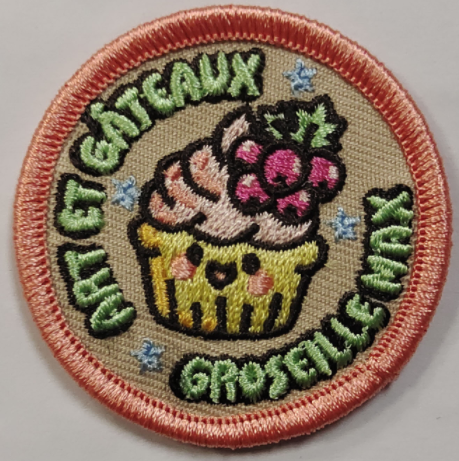
When your business or organization needs custom embroidered patches in large quantities, selecting the right manufacturer becomes a critical business decision. The ideal partner ensures not only quality and consistency across all your patches but also delivers on time and within budget. This guide will walk you through the key factors to consider when choosing a reliable manufacturer for your bulk embroidered patch orders.
1. Define Your Project Requirements Clearly
Before you start searching for a manufacturer, have a clear understanding of your own needs. This will streamline the selection process and help you communicate effectively with potential suppliers.
-
Order Quantity: Determine the exact volume you need. Bulk orders typically start at a few hundred pieces, but manufacturers' capabilities vary. Knowing your quantity helps in assessing if a manufacturer is a good fit and can leverage economies of scale for better pricing .
-
Patch Design and Complexity: Consider the intricacy of your design, including the number of colors, size, and detail level. Simpler designs with bold colors and clean lines are often more cost-effective and reproduce better in bulk without losing clarity .
-
Patch Type: While this article focuses on embroidered patches, be aware that manufacturers might offer other types like woven, PVC, or chenille. Confirm their expertise specifically in embroidery, which is known for its classic, textured look ideal for logos and uniforms .
-
Backing Type: Decide how the patches will be attached. Common options for embroidered patches include iron-on, velcro, or traditional sew-on backings. Your choice depends on the intended application, whether for easy application on uniforms or permanent attachment on jackets .
-
Budget: Establish a clear budget range. While cost is important, be wary of prices that seem too good to be true, as they may indicate compromised quality in materials or craftsmanship.
2. Research and Shortlist Potential Manufacturers
With your requirements in hand, begin compiling a list of potential manufacturers. Look for companies with proven experience in handling bulk orders.
-
Sources for Research: Utilize online B2B platforms, industry-specific directories, and search engines. Seeking referrals from industry peers or reading client testimonials can also provide valuable insights into a manufacturer's reliability .
-
Geographic Considerations: You'll find manufacturers both domestically (e.g., in the USA) and overseas (e.g., in China). U.S.-based manufacturers often provide faster turnaround times, easier communication, and tighter quality control, which can be crucial for tight deadlines. Overseas manufacturers may offer lower production costs, but it's essential to verify their credibility and factor in potential longer shipping times and import complexities.
3. Evaluate Manufacturer Credentials and Expertise
Once you have a shortlist, dig deeper into each manufacturer's credentials to assess their capability and reliability.
-
Experience and Reputation: Prioritize manufacturers with a long track record and positive reviews. An established company is more likely to have refined processes for handling complex designs and large-scale orders consistently. Look for those who have worked with businesses similar to yours.
-
Samples and Portfolios: Always request physical samples of their work. This allows you to evaluate the quality of materials, stitching precision, color vibrancy, and overall durability firsthand. Reviewing their portfolio can give you a sense of their experience with different styles and industries.
-
Production Capabilities: Inquire about their production facilities. Manufacturers with in-house design teams and advanced machinery offer better control over quality and timelines. For bulk orders, ensure they have the capacity to handle your volume without compromising on schedule.
-
Certifications: Check for relevant quality management certifications (e.g., ISO 9001). These certifications indicate a commitment to standardized quality control processes, which is vital for ensuring consistency across a large order.
4. Scrutinize Communication and Customer Service
Smooth and transparent communication is essential for a successful partnership, especially when managing a complex bulk order.
-
Design Support: A reliable manufacturer will offer design consultation and support. They should be able to advise you on optimizing your artwork for the embroidery process, suggesting adjustments to ensure the final product looks its best.
-
Responsiveness and Clarity: Gauge their response time and the clarity of their communication during your initial inquiries. A manufacturer that is prompt and helpful from the start is more likely to provide good customer service throughout the production process.
-
Transparency in Process: They should clearly explain their entire workflow, including steps like digitizing (converting your design into a stitch file), sample approval, production timelines, and quality control checks.
5. Compare Quotes and Terms Carefully
When you receive quotes and proposals, compare them thoroughly, looking beyond just the per-unit price.
-
Pricing Structure: Bulk orders should bring a lower per-unit cost. Compare quotes from several suppliers, but make sure you are comparing similar quality levels and services. The cheapest option may not offer the best value in the long run.
-
Minimum Order Quantity (MOQ): Confirm that the manufacturer's MOQ aligns with your needs. Some manufacturers specialize in very large batches, while others may be more flexible.
-
Turnaround Time: Discuss production and shipping schedules explicitly. If you are on a tight deadline, prioritize manufacturers known for faster turnaround times, but ensure this doesn't come at the expense of quality.
-
Payment Terms: Look for clear and secure payment terms. Common practices include a partial upfront deposit with the balance paid upon completion or before shipment. Be cautious of suppliers requiring full payment upfront.
-
Return Policy and Guarantees: Understand the manufacturer's policy regarding defects, errors, or delays. A reputable company will stand behind its work and have clear policies to address any issues that may arise.
6. Prioritize Quality Assurance and Consistency
For bulk orders, ensuring every patch is identical and meets your quality standards is paramount.
-
Request a Production Proof: Before full production begins, approve a digital or physical sample (often called a "strike-off"). This is your final chance to catch any errors in design, colors, or specifications before the entire batch is made.
-
Inquire About Quality Control: Ask about their in-process quality control measures. How do they check for consistency in stitching, color, and shape during production? Rigorous QC is what separates excellent manufacturers from average ones.
-
Material Quality: Ensure they use high-quality threads and fabrics that are colorfast and durable. Subpar materials can lead to fading, fraying, or deterioration over time, undermining the purpose of your patches.
Conclusion
Choosing the right manufacturer for your bulk embroidered patches is a multifaceted process that requires due diligence. By defining your needs, thoroughly researching potential partners, and carefully evaluating their capabilities and terms, you can select a reliable manufacturer who will deliver high-quality, consistent patches that meet your expectations. A successful partnership will not only fulfill your immediate order but can also become a valuable long-term resource for your branding and promotional needs. Start with a sample order if possible to build trust before committing to a large-scale production run.
Previous
Low MOQ Custom Embroidered Patches: Top 8 Manufacturers in 2025
Read More
Next
Merrow Border vs Laser Cut Embroidered Patches: Which is Better for Business?
Read More


