2025 Embroidered Patches Manufacturing Trends: What Buyers Should Pay Attention To
By sunny season patches
October 16th, 2025
240 views
2025 Embroidered Patches Manufacturing Trends: What Buyers Should Pay Attention To
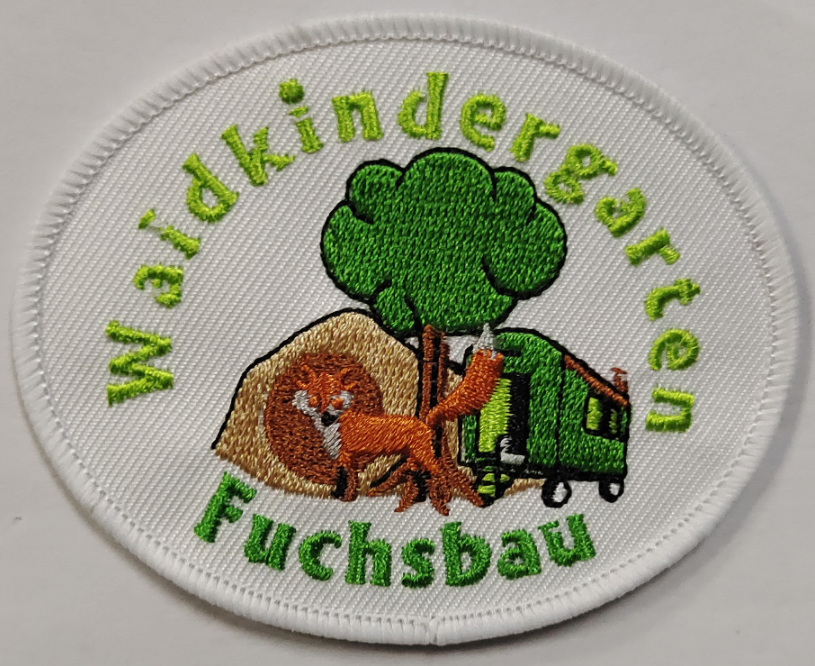
The embroidered patches industry is undergoing a remarkable transformation in 2025, driven by technological innovation, evolving consumer preferences, and a growing emphasis on sustainability. For B2B buyers, understanding these shifts is crucial for making informed sourcing decisions that align with market demands. This article explores the key trends shaping embroidered patches manufacturing, highlighting what buyers should prioritize to stay competitive.
1. The Personalization Revolution: Beyond One-Size-Fits-All
The demand for customized and personalized designs continues to dominate the embroidered patches landscape. Modern consumers, particularly millennials and Gen Z, view patches as extensions of their identity, leading to increased demand for bespoke creations that tell unique stories .
Manufacturers are responding with advanced digital tools that allow buyers to create intricate designs with unprecedented precision. The trend is particularly evident on platforms like Etsy, where sellers report surging demand for custom embroidered patches that allow individuals and brands to express their uniqueness . For B2B buyers, this means seeking suppliers who offer comprehensive customization services—from initial artwork to final production—with flexible minimum order quantities (MOQs) that accommodate both small batches and large-scale production .
The data underscores this trend: search volume for "custom patches" reached a peak of 99 in July 2025, significantly outperforming generic searches . This indicates a market increasingly driven by specific, personalized needs rather than standard inventory items.
2. Sustainable Manufacturing: From Niche to Necessity
Sustainability has evolved from a buzzword to a core manufacturing principle in the embroidered patches industry. Environmentally conscious buyers are increasingly prioritizing eco-friendly materials and production methods, with 70% of consumers willing to pay a premium for products made from sustainable materials .
Forward-thinking manufacturers are adopting several key sustainable practices:
-
Material Innovation: Using organic cotton, recycled polyester, and biodegradable materials that reduce environmental impact without compromising quality .
-
Production Efficiency: Implementing waterless dyeing processes that reduce water consumption by up to 90% compared to conventional methods .
-
Waste Reduction: Developing closed-loop systems where fabric scraps are repurposed into new products, minimizing landfill contributions .
B2B buyers should verify supplier credentials through certifications like GOTS (Global Organic Textile Standard) and Oeko-Tex, which ensure compliance with environmental and safety standards . Transparency in the supply chain has become equally important, as buyers increasingly want to know the environmental footprint of their products.
3. Technological Advancements Reshaping Production Capabilities
Technology is revolutionizing embroidered patches manufacturing, enabling greater precision, efficiency, and creative possibilities. Several technological innovations stand out in 2025:
Digital Embroidery Technology
Advanced embroidery machines equipped with sophisticated software now produce intricate designs with pinpoint accuracy. These systems allow for precise color matching and detailing that elevates patch quality while reducing production time significantly . What once took hours can now be accomplished in minutes, enabling manufacturers to respond quickly to market trends and buyer demands .
3D Embroidery and Printing
The integration of 3D embroidery techniques adds depth and texture to patches, creating visually striking products that stand out in a crowded market . Similarly, 3D printing technology enables custom designs that were previously difficult or impossible to achieve with conventional methods . This technology is particularly valuable for luxury brands and limited-edition collections where distinctiveness commands premium prices.
Artificial Intelligence in Design
AI-driven design software can analyze market trends and consumer preferences, creating designs with higher resonance among target audiences . This data-driven approach helps brands stay ahead of curves in fast-moving markets while reducing design iteration time.
4. Emerging Applications and Market Opportunities
The applications for embroidered patches have expanded far beyond their traditional uses in military and scouting attire. Several sectors are driving particularly strong growth in 2025:
Fashion and Streetwear
High-end designers like Gucci and Balenciaga have incorporated embroidered patches into their collections, transforming them into statement pieces that redefine luxury. Meanwhile, streetwear brands leverage patches to create limited-edition items that foster exclusivity and community among followers.
Sports and Outdoor Recreation
Sports teams increasingly use custom patches to enhance fan engagement through merchandise featuring team logos, player numbers, and commemorative events. The rise of adventure tourism has also created demand for patches that commemorate experiences like hiking or traveling, fostering a sense of community among enthusiasts.
Companies like Starbucks and UPS have successfully integrated embroidered patches into employee uniforms, reinforcing brand identity while promoting team cohesion. This application continues to grow as businesses recognize the value of consistent, professional branding across their workforce.
5. The Social Media Influence and Direct-to-Consumer Shift
Social media platforms have become powerful drivers of embroidered patch trends, with Instagram and TikTok serving as virtual showrooms where viral designs gain instant popularity. Hashtags related to custom patches frequently trend, creating buzz that directly translates to sales.
This digital landscape has accelerated the shift toward direct-to-consumer sales models, with online sales accounting for 66.7% of the patch market. B2B buyers should note that platforms like Shopify and Etsy have become essential distribution channels, particularly for niche and custom designs.
Influencer collaborations further amplify brand visibility, as influencers showcase unique patches in their outfits, inspiring followers to seek similar designs. This trend underscores the importance of creating "Instagrammable" products with strong visual appeal.
Key Considerations for B2B Buyers in 2025
As you navigate the evolving embroidered patches landscape, several practical considerations can optimize your sourcing strategy:
Supplier Selection Criteria
When evaluating manufacturers, prioritize those with:
-
Proven expertise in your specific application (fashion, corporate, sports, etc.)
-
Transparent sustainability certifications and practices
-
Technological capabilities that match your design complexity needs
-
Flexible MOQs that align with your order volumes
Quality Assurance Protocols
Reputable suppliers should adhere to international standards like ISO 9001 for quality management and provide detailed quality control checkpoints throughout the manufacturing process. Request samples before committing to large orders to verify stitch quality, color fastness, and overall durability.
Total Cost Assessment
While price per piece matters, consider the total cost including:
-
Customization fees (artwork, color matching)
-
-
Any value-added services like free setup or design assistance
-
Long-term durability implications (higher-quality patches may cost more initially but offer better longevity)
Conclusion: Positioning for Success in a Dynamic Market
The embroidered patches market in 2025 presents both challenges and opportunities for B2B buyers. The convergence of personalization, sustainability, and technological innovation creates a landscape where informed buyers can gain significant competitive advantages.
By focusing on suppliers who embrace these trends—whether through eco-friendly materials, advanced customization capabilities, or efficient production technologies—buyers can ensure their patch sourcing strategy aligns with contemporary market demands. The most successful buyers will be those who view embroidered patches not merely as decorative items but as strategic assets for brand building, customer engagement, and market differentiation.
As you evaluate your embroidered patches needs for the remainder of 2025 and beyond, consider how these trends intersect with your specific business objectives. The manufacturers best positioned for success will be those offering the flexibility, innovation, and sustainability credentials that today's market increasingly demands.
Previous
Embroidered Patches Backing Options for Corporate Gifts: Iron On vs Sew On
Read More
Next
Embroidered Patches Beyond Biker Culture: Exploring Versatile Applications
Read More


