Why Some Woven Label Edges Are Rough and Scratchy, While Others Are Smooth and Soft
By sunny season patches
October 4th, 2025
392 views
Why Some Woven Label Edges Are Rough and Scratchy, While Others Are Smooth and Soft
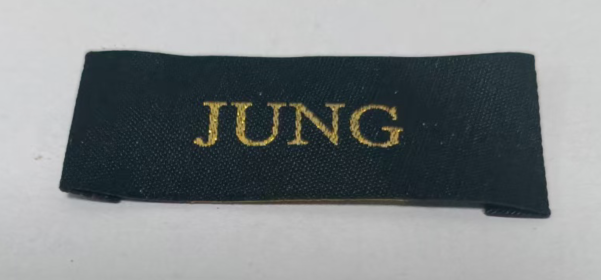 Have you ever put on a new shirt or jacket, only to be annoyed by a scratchy, irritating woven label rubbing against your skin? Conversely, you might have other garments with tags so smooth and soft you barely notice them. This common experience isn't just luck—it's a matter of materials, manufacturing processes, and finishing techniques. Understanding the difference can help you make better choices for your brand or your comfort.
The edge finish of a woven label is one of the most critical factors determining its comfort. It depends heavily on the cutting method used during production. Let's delve into the primary methods.
The Scratchy Culprit: Heat-Cut (Hot-Cut) Edges
Many standard woven labels undergo a process called heat-cutting or hot-cutting.
How it Works: A hot blade is used to slice through the woven fabric tape, which simultaneously cuts and melts the edges, typically made from synthetic materials like polyester or nylon, to seal them and prevent fraying.
The Feel: This process often leaves a stiff, rigid, and sometimes sharp edge. While it effectively prevents unraveling, the resulting edge can be bulky and feel rough against sensitive skin. This is a common characteristic of labels produced on high-speed broad looms, which are cost-effective but may sacrifice comfort for efficiency.
Common Use:
You'll often find these on many mass-produced garments. They are functional and durable but not always comfortable for direct skin contact, especially on areas like the back of the neck.
The Smooth Solution: Ultrasonic (Super-Cut) Edges
For a superior soft feel, many brands opt for woven labels finished with ultrasonic cutting, often called super-cutting.
How it Works: This method uses high-frequency sound waves to cut the label. The vibrations generate heat through friction withinthe material itself, creating a clean, sealed edge without using a hot blade. It essentially vibrates the fibers apart and fuses them simultaneously.
The Feel: The result is a softer, smoother, and more flexible edge that is far less likely to cause irritation. It lies flat and feels almost seamless against the skin. This is because the cut is cleaner and doesn't create a hard, melted bead of plastic on the edge.
Common Use:
Ultrasonic cutting is ideal for high-end fashion, children's wear, athletic apparel, and any garment where comfort and a premium feel are paramount. It's a key feature of quality woven labels.
Beyond the Cut: Other Factors Influencing Label Comfort
While the cutting method is paramount, other elements also contribute to how a woven label feels
Material & Weave: The base material of the label itself matters.
Damask weaves are known for being very soft, with a tight, smooth texture that is comfortable against the skin.
Satin weaves also offer a soft and lustrous finish
.
Taffeta weaves, however, are often stiffer and can be scratchier. As one manufacturer notes, they are "not suggested for use in contact with skin as it tends to be scratchy"
.
Placement: A label sewn into the center back neckline, a highly sensitive area, will be much more noticeable and potentially irritating than one placed on a side seam or outside of a garment.
Choosing the Right Woven Label for Comfort
For brands and manufacturers, selecting the right label is crucial for customer satisfaction:
Prioritize Ultrasonic Cutting: For any garment that will contact skin directly, especially in sensitive areas, specify ultrasonic-cut (super-cut) labels. They are the best guarantee of a soft, non-irritating edge.
Choose Soft Materials: Opt for woven labels made with softer weave types like damask for a premium, comfortable feel.
Consider Placement: Think strategically about where the label will be sewn. If possible, avoid direct skin contact in highly sensitive areas.
For consumers dealing with a scratchy label:
Careful Removal: You can carefully cut the label out as close to the stitching as possible, using sharp scissors and taking care not to damage the garment's seam.
Cover It Up: Applying a piece of soft fabric tape or moleskin over the scratchy edges can create a comfortable barrier.
Conclusion: It's All in the Finish
The stark difference between a scratchy woven label and a soft, smooth one primarily boils down to manufacturing technology. The efficient but often uncomfortable heat-cut edge is a common source of irritation, while the advanced ultrasonic-cut (super-cut) edge provides a seamless, skin-friendly solution.
As a consumer, being aware of this difference can help you understand why some clothes feel instantly comfortable and others don't. For brands, investing in higher-quality finishing like ultrasonic cutting is a direct investment in customer comfort, perceived quality, and brand reputation. After all, a small detail like a soft woven label can make a significant difference in the overall wearing experience.
Previous
Custom Hockey Patches for Your Sports Team: The Ultimate Guide to Uniting Your Squad
Read More
Next
How to Choose the Right Border For Your Custom Patches
Read More


