Smart Strategies: How to Reduce the Cost of Custom Embroidered Patches Without Sacrificing Quality
By sunny season patches
October 14th, 2025
152 views
Smart Strategies: How to Reduce the Cost of Custom Embroidered Patches Without Sacrificing Quality
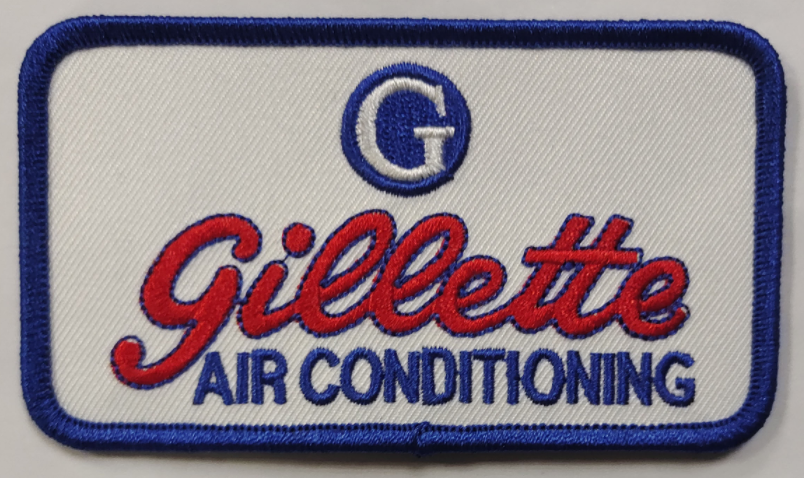
Custom embroidered patches offer a powerful way to promote your brand, identify team members, or personalize accessories. While they provide exceptional value, costs can add up—especially for businesses and organizations working with tight budgets. The good news? With strategic planning and smart design choices, you can significantly reduce the cost of custom embroidered patches without compromising on the quality that makes them so effective.
This guide walks you through practical, actionable strategies to achieve affordable embroidery patches that still look professional and stand the test of time.
Understanding What Drives the Cost of Custom Embroidered Patches
Before diving into cost-saving strategies, it helps to understand what factors influence the final price. The cost of custom embroidered patches is primarily determined by the size of the patch, the complexity of your design, the order quantity, and the materials and backing you choose . Larger patches with intricate, multi-colored designs require more stitching time and thread, increasing production costs. Conversely, simpler designs ordered in larger quantities benefit from economies of scale, drastically lowering the price per patch.
1. Simplify Your Design for Maximum Impact
One of the most effective levers for controlling costs is your patch's design. A common misconception is that a more detailed design will look better, but in embroidery, simplicity often leads to a cleaner, more professional appearance.
-
Limit Your Color Palette: Each color change in the embroidery process requires the machine to stop and switch threads, adding to the labor and time. By limiting your design to two to four colors, you can achieve a cohesive and visually striking patch while keeping costs down. Many suppliers offer standard thread colors at no extra charge, so sticking to basic colors can yield additional savings.
-
Opt for Bold Shapes and Clean Lines: Intricate details like thin lines, tiny text, or gradient effects are difficult to replicate with thread and can get lost, especially in smaller patches. Embroidered patches shine when the design uses bold shapes, clear lines, and high-contrast colors. This ensures legibility and a strong visual impact from a distance.
2. Make Strategic Choices About Size and Shape
The physical dimensions of your patch have a direct correlation to its cost.
-
Choose a Standard Size: As a rule, smaller patches cost less because they use less material and require fewer stitches. A 3-inch or 4-inch patch is often a cost-effective choice that provides ample space for your logo or design without becoming prohibitively expensive .
-
Stick to Standard Shapes: While custom shapes like your unique logo outline are possible, opting for a standard shape like a circle, square, or rectangle can reduce costs. Standard shapes are easier and faster for manufacturers to produce and cut.
3. Order in Bulk for the Best Value
If you know you will need patches over time, planning a bulk order is the single best way to save money. Manufacturers offer significant discounts for larger quantities because the fixed costs of setting up the embroidery machine and digitizing your design are spread across many units.
For example, ordering 10 patches might cost over $5.00 each,but placing an order for 500 of the same patches could bring the unit cost down to $1.00 or less. This makes bulk ordering ideal for uniform programs, promotional events, or building an inventory for future use.
4. Select the Right Backing and Materials
The backing you choose and the materials used also affect the price.
-
Choose a Sew-On Backing: For a permanent, durable attachment, sew-on backing is typically the most affordable option. Iron-on, Velcro, or adhesive backings are convenient but come at a higher cost, adding 0.30to1.00 per patch .
-
Trust in Durable Standard Materials: Reputable manufacturers use high-quality threads and fabrics like polyester or twill by default to ensure durability. You usually don't need to pay extra for "premium" basic materials. However, special threads (like metallic or glow-in-the-dark) will increase the cost, so use them sparingly if you're on a tight budget.
5. Partner with the Right Manufacturer
Your choice of supplier plays a crucial role in both cost and quality.
-
Compare Quotes: Don't settle for the first supplier you find. Get quotes from several custom embroidered patches providers to compare pricing, services, and turnaround times. Look for transparent companies that are upfront about all costs, including any potential setup or digitizing fees .
-
Plan Ahead to Avoid Rush Fees: Last-minute orders often incur expensive rush fees. By planning your project well in advance, you can avoid these extra charges and ensure the manufacturer has enough time to produce a high-quality product .
-
Ask for a Sample: Before committing to a large order, request a production sample. This allows you to verify the quality of the stitching, colors, and materials, ensuring you get exactly what you paid for.
Conclusion: Quality on a Budget is Achievable
Affordable embroidery patches don't have to mean low quality. By focusing on a simple, bold design, ordering in bulk, and partnering with a reliable manufacturer, you can create stunning custom embroidered patches that effectively represent your brand while staying within your budget. The key is to plan carefully, communicate clearly with your supplier, and leverage the cost-saving strategies outlined above.
Ready to create your own patches? Start by refining your design with these tips in mind, and then reach out to a few trusted suppliers for quotes on your low cost custom patch project.
What cost-saving tips have worked for you? Share your experiences in the comments below!
Previous
Embroidered Patches for Uniforms: What Enterprises Need to Know
Read More
Next
Embroidered Patches Backing Options for Corporate Gifts: Iron On vs Sew On
Read More


