How to Remove Embroidered Patches: A Step-by-Step Guide to Save Your Clothes
By sunny season patches
October 30th, 2025
298 views
How to Remove Embroidered Patches: A Step-by-Step Guide to Save Your Clothes
Introduction
We've all been there: you have a favorite jacket or pair of jeans with an embroidered patch that you no longer want. Maybe it's from an old job, a phase you've outgrown, or it's simply become damaged over time. The thought of removing it can be daunting - what if you ruin the fabric underneath? Many people attempt DIY removal only to end up with needle marks, adhesive residue, or even holes in their garment. But with the right techniques, you can safely remove embroidered patches and give your clothing a new lease on life. This comprehensive guide will walk you through several proven methods to remove embroidered patches without damaging your clothes.
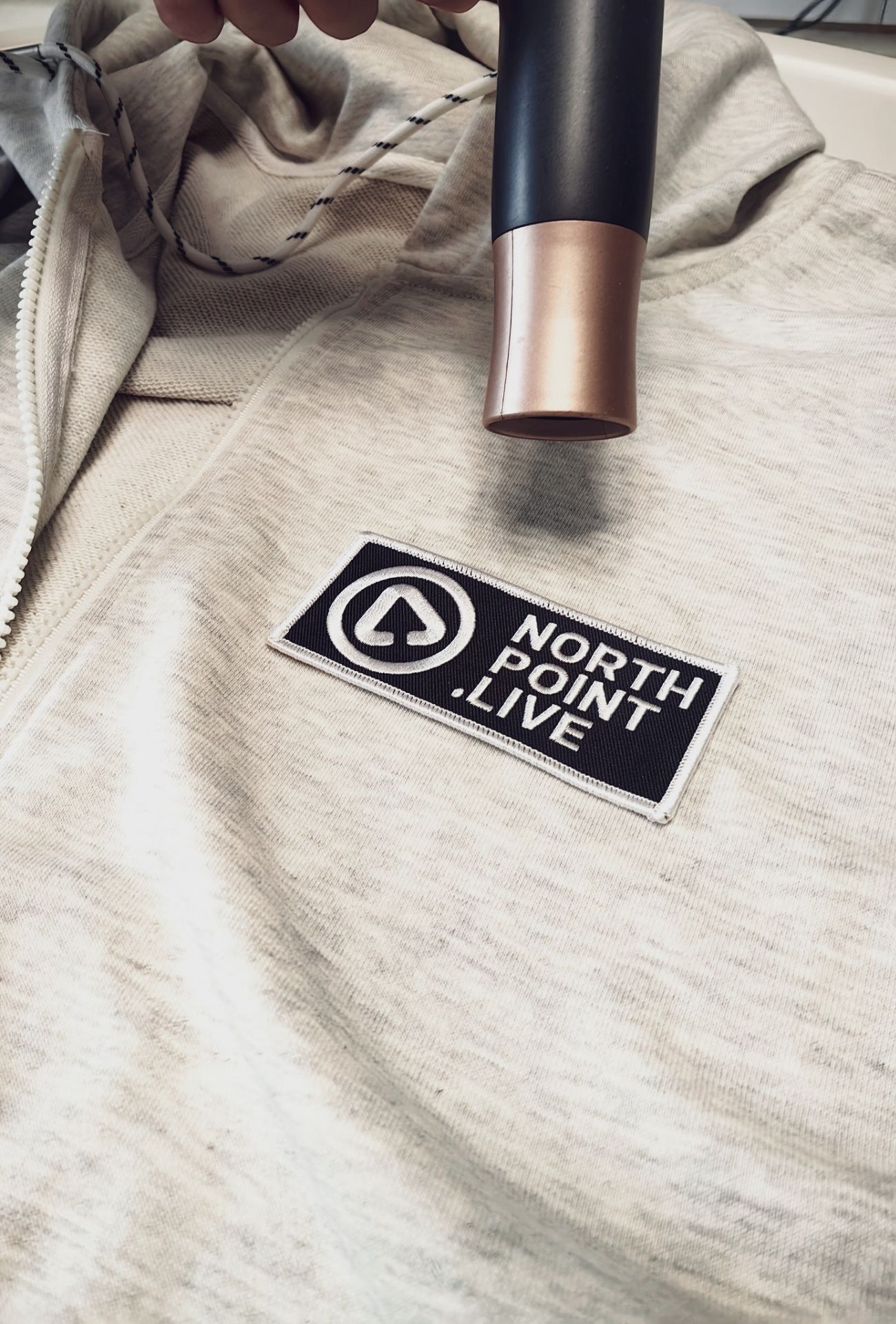
Understanding How Embroidered Patches Are Attached
Before you begin the removal process, it's helpful to understand what you're working with. Embroidered patches are decorative designs created by stitching thread onto a fabric backing. They're typically attached to clothing in one of two ways:
-
Sewn-on patches: These are attached with thread and are the most common type
-
Iron-on patches: These have an adhesive backing that is activated by heat
Some patches may use a combination of both methods. Knowing how your patch is attached will help you choose the most effective removal technique. Sewn-on patches generally require more careful work with sewing tools, while iron-on patches often respond well to heat application.
Method 1: The Seam Ripper Technique (For Sewn-On Patches)
The seam ripper is the most precise tool for removing sewn-on embroidered patches. This method works best for patches that are primarily attached with thread rather than adhesive.
What You'll Need:
-
Seam ripper or small, sharp scissors
-
-
Magnifying glass (optional, but helpful)
Step-by-Step Process:
-
Lay the garment on a flat surface and examine how the patch is attached. Notice the stitching pattern around the edges
-
Gently slide the seam ripper under a stitch on the back side of the fabric if possible, or carefully from the front if you can't access the back
-
Work methodically around the patch, cutting every 3-4 stitches rather than trying to cut all the threads at once
-
Use tweezers to remove any leftover thread fragments once the patch is free
Pro Tip: Place the garment on a hard, flat surface and work in good lighting. If the patch is large, take breaks to maintain steady hands.
Method 2: The Heat Method (For Iron-On Patches)
Many modern embroidered patches feature heat-activated adhesive backings, even if they're also sewn on. The heat method can soften this adhesive, making removal significantly easier.
What You'll Need:
-
-
-
Parchment paper (optional)
Step-by-Step Process:
-
Set your iron to a medium heat setting appropriate for your fabric type. Cotton can handle higher heat, while synthetics need lower temperatures
-
Place a thin cloth over the patch to protect the surrounding fabric from direct heat
-
Press the iron down firmly on the patch for 15-20 seconds
-
Try lifting a corner of the patch with tweezers. If it doesn't lift easily, apply heat for another 10-15 seconds
-
Once the adhesive softens, slowly peel back the patch while continuing to apply heat to the area you're working on
Safety Note: Always use the cloth barrier to prevent scorching your garment, and work in a well-ventilated area.
Method 3: The Steam Method
Steam can be particularly effective for stubborn patches or delicate fabrics that can't withstand direct heat. The moisture helps loosen adhesives without the high temperatures.
What You'll Need:
-
Garment steamer or iron with steam function
-
-
Step-by-Step Process:
-
Hang the garment or lay it flat on an ironing board
-
Hold the steamer nozzle 2-3 inches away from the patch and apply steam evenly across the surface
-
Allow the steam to penetrate for 30-45 seconds, then check if the edges are lifting
-
Gently tug at the corners with tweezers as the adhesive softens
-
If resistance continues, apply more steam and try again
Dealing With Residue and Ghost Marks
After removing an embroidered patch, you'll often encounter two problems: adhesive residue and "ghost marks" where the patch protected the fabric from fading.
Removing Adhesive Residue:
-
Rubber cement pickup: Gently roll a specialized adhesive remover over the residue
-
Rubbing alcohol: Dampen a cloth with rubbing alcohol and blot the residue (test on an inconspicuous area first)
-
Commercial adhesive removers: Products like Goo Gone can be effective for stubborn residue
Minimizing Ghost Marks:
-
Gentle washing: Wash the garment according to care instructions
-
Sun exposure: For natural fabrics, brief, controlled sun exposure can help even out fading
-
Fabric refresher: For white garments, a diluted vinegar solution can help blend the area
When to Seek Professional Help
While most patch removal projects can be DIY endeavors, there are times when professional assistance is warranted:
-
Vintage or valuable garments with delicate fabrics
-
Patches on leather or suede that can be easily damaged
-
Multiple layered patches that require extensive work
-
When you've attempted removal and encountered difficulties
A professional tailor or textile conservator has specialized tools and expertise to handle challenging removal situations while preserving your garment.
FAQ
Can all embroidered patches be removed without damaging clothes?
While most patches can be removed successfully, the outcome depends on several factors: how long the patch has been attached, the adhesive used, the fabric type, and how much the protected fabric has faded compared to the rest of the garment. With patience and the proper technique, you can minimize visible damage in most cases .
What should I do if I accidentally create a small hole while removing a patch?
Small holes can often be repaired with subtle darning or by adding a new, smaller patch over the area. For valuable garments, consult a professional textile restoration service for nearly invisible repairs.
Conclusion
Removing embroidered patches doesn't have to be a risky operation that ruins your favorite clothes. By understanding the type of patch you're working with, using the right tools, and proceeding with patience, you can successfully refresh your garments. The key steps are: identify the attachment method, apply the appropriate technique (seam ripper for sewn-on, heat for iron-on), and carefully address any residue or ghost marks afterward.
Whether you're updating your style, repurposing clothing, or repairing damaged items, these methods will help you achieve professional-looking results at home. Remember that delicate or valuable items might warrant professional assistance, but for most everyday situations, a careful DIY approach will serve you well.
Ready to give your favorite garment a new look? Share your patch removal success stories or questions in the comments below!
Previous
Embroidered Patches: The Ultimate Guide to Safe & Cute Options for Kids' Clothes in 2025
Read More
Next
Vintage Embroidered Patches for Jackets: Where to Buy & How to Style
Read More


