How to Check the Quality of Embroidered Patches When Receiving Bulk Orders
By sunny season patches
October 17th, 2025
258 views
How to Check the Quality of Embroidered Patches When Receiving Bulk Orders
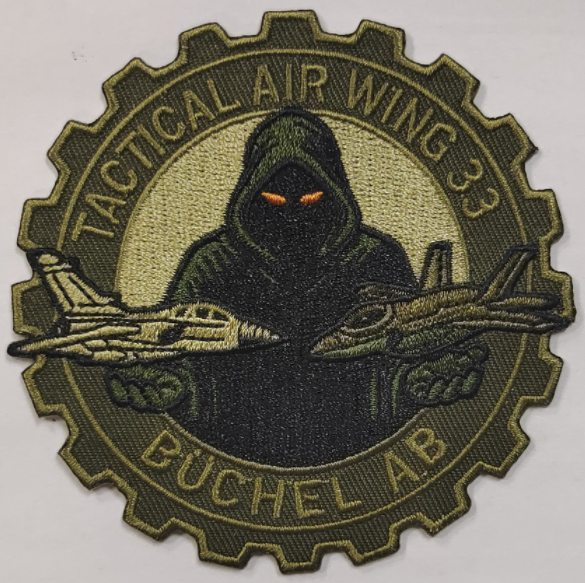
Receiving a bulk order of custom embroidered patches can be both exciting and daunting. Whether you've commissioned these patches for corporate branding, uniform identification, or retail sales, ensuring consistent quality across hundreds or thousands of pieces is crucial for protecting your investment and maintaining your brand reputation. Quality control for embroidered patches requires a systematic approach that examines everything from stitching density to backing materials, with specific checks designed to identify common manufacturing flaws before they become costly problems.
For businesses that rely on embroidered patches as part of their identity or product line, implementing a thorough inspection process is not just advisable—it's essential. This guide will walk you through the key areas to examine, helping you distinguish between premium patches and substandard workmanship, with particular attention to detecting counterfeit patches and verifying durability standards for patches.
Pre-Inspection Preparation
Before diving into the physical inspection of your patches, proper preparation sets the stage for effective quality assessment. Begin by gathering your original design specifications, including approved color palettes (preferably with Pantone codes), dimensional requirements, and any sample patches that were signed off during the pre-production phase. Having these reference materials on hand will allow you to make accurate comparisons against the delivered products.
Create a dedicated inspection area with adequate lighting—natural light or full-spectrum lamps are ideal for accurately assessing colors and details. Prepare basic tools such as a ruler or digital caliper for precise measurements, a magnifying glass or loupe for examining stitch work, and a small sample of the fabric or garment the patches will be attached to, if applicable.
If you're inspecting a large shipment, implement a sampling strategy rather than attempting to check every single patch. For orders of up to 1,000 pieces, examining 10-15% of the total quantity is generally sufficient. For larger orders, a minimum of 100-150 patches should be inspected, selected randomly from different boxes or batches to ensure a representative sample.
Visual Inspection: Stitching and Embroidery Quality
The visual appearance of your embroidered patches provides the first indication of overall quality. Begin with a general assessment of the overall craftsmanship before moving to specific details.
Stitch Density and Consistency
High quality embroidered patches feature tight, dense, and consistent stitching with no visible gaps between threads. Run your finger across the surface—it should feel solid and substantial, not thin or flimsy. Gaps between stitches or visible backing fabric are red flags indicating inferior craftsmanship.
Examine the stitch density across different colors and sections of the design. The stitching should be uniformly tight throughout, with no areas appearing puffier or sparser than others. Lower stitch count is a common cost-cutting technique used by some manufacturers, but it significantly reduces the patch's durability and visual appeal.
Design Integrity and Color Accuracy
Compare the received patches against your approved design sample. All elements should be sharp and well-defined, with crisp edges between different color sections. Intricate details like small text, fine lines, or elaborate logos should be clear and distinct, not blurry or muddled together.
Check color accuracy under different lighting conditions. Thread colors should precisely match your specifications without unintended fading or color bleeding between sections. If you provided Pantone references, verify that the manufactured patches align with these standards. Be especially vigilant about color consistency across different production batches.
Precision in Complex Elements
Pay special attention to the most challenging aspects of your design, which often reveal quality issues first. For patches featuring textual elements, ensure all lettering is legible and properly proportioned with consistent spacing. For designs incorporating natural elements like feathers or leaves, check that individual components are distinct rather than blurred together.
Examine the alignment of different colored sections—there should be no overlapping or gaps between colors. This is particularly important for patches with complex logos or detailed imagery where precision is crucial to the overall appearance.
Structural Examination: Edges and Backing
Beyond the visual elements, the structural components of embroidered patches significantly impact their durability and application. These aspects require careful tactile inspection.
Edge Finishing
The edge finishing of your patches reveals much about their overall quality and appropriate application. Identify whether your patches have merrowed edges (a thick, overlocked stitch wrapping around the perimeter) or cut edges (cleanly cut fabric without stitching). Each has its place, but the finish should be consistent with your specifications and appropriate for the patch's intended use.
Inspect the edge consistency throughout the entire perimeter. Merrowed edges should be uniform in thickness and stitch density, with no loose threads or irregular bumps. Cut edges should be clean and precise, with proper sealing to prevent fraying. The edge should lie flat without curling or wrinkling.
Backing Material and Application
Turn the patches over to examine the backing material, which provides crucial support and enables attachment. The backing should be appropriate for your intended application—whether iron-on, sew-on, Velcro, or adhesive—and firmly attached without wrinkles or bubbles.
Check that the backing material is neatly trimmed and doesn't extend beyond the patch boundaries. There should be no excess adhesive seepage around the edges, which can attract dirt and complicate application. The backing should be centered correctly, with no obstruction to design elements.
For iron-on backings, verify that the adhesive layer is evenly distributed across the entire surface. Inconsistent application can lead to patches that partially detach after application. For sew-on patches, ensure the backing material provides adequate stability without being overly stiff.
Durability and Functionality Testing
Beyond initial appearance, embroidered patches must withstand the conditions of their intended use. These practical tests help verify long-term durability.
Abrasion and Fade Resistance
Perform a simple abrasion test by gently rubbing a white cloth over the patch surface, checking for color transfer. While not a substitute for professional testing, this can reveal serious colorfastness issues. Additionally, gently flex the patch to check for cracking in the embroidery or backing—a sign of inferior materials that may fail over time.
If possible, subject sample patches to wash testing according to the care instructions for the garments they'll be applied to. After washing, check for color bleeding, fading, distortion, or separation of the backing material. Quality patches should withstand multiple wash cycles without significant deterioration.
Attachment Security
Test the functionality of the backing system. For iron-on patches, conduct a test application following the manufacturer's instructions. After cooling, attempt to gently peel the patch from the fabric—a properly attached patch should offer significant resistance to removal. For Velcro backings, test the grip strength and repeated attachment/detachment cycles.
If your patches incorporate special elements like reflective materials or metallic threads, verify that these features perform as expected. Reflective patches should demonstrate noticeable visibility when light strikes them at different angles.
Documentation and Communication with Suppliers
When quality issues are identified, proper documentation facilitates effective resolution with your supplier.
Detailed Record-Keeping
Document your inspection process with photographs and written notes for each issue discovered. Capture clear images that show the specific problem, preferably with measurements or comparisons to acceptable standards. This visual evidence is invaluable when communicating concerns to your supplier.
Categorize issues by severity—critical defects (rendering the patch unusable), major defects (affecting appearance or function but potentially usable), and minor defects (cosmatic issues that don't affect functionality). This classification helps prioritize discussions with your supplier.
Effective Supplier Communication
Approach your supplier with specific, documented concerns rather than general complaints. Reference your initial order specifications and provide clear evidence of where the delivered patches fall short. Reputable suppliers should be willing to address legitimate quality concerns, whether through replacement, discount, or other remedies.
For future orders, use your inspection findings to refine specifications. Note which aspects exceeded expectations and which need improvement, providing this feedback to your supplier for better results in subsequent productions.
Implementing a Quality Control System
Establishing a standardized quality control process ensures consistency across all your patch orders, regardless of supplier or production timeline.
Create a Quality Control Checklist
Develop a comprehensive checklist specific to your quality standards, including:
-
Design accuracy (colors, dimensions, clarity)
-
Stitching quality (density, consistency, tension)
-
Structural integrity (edges, backing)
-
Functionality (attachment, special features)
-
Establish Tolerance Levels
Define acceptable quality levels (AQL) for your orders, determining what percentage of defects you're willing to accept. For most applications, a critical defect rate of 0% is essential, while minor defect rates of 2.5-4.0% might be acceptable depending on the patches' purpose and your budget constraints.
Conclusion
Thorough quality control for embroidered patches requires a methodical approach that examines visual appeal, structural integrity, and functional performance. By implementing the systematic checks outlined above—from stitch-level inspection to durability testing—you can ensure that your bulk patch orders meet expectations consistently.
Remember that quality control begins before production, with clear specifications and sample approvals, and continues through post-delivery inspection. Investing time in comprehensive quality assessment ultimately protects your brand reputation and ensures that the patches you distribute or incorporate into your products accurately reflect your standards of excellence.
Developing strong relationships with reputable suppliers who understand your quality expectations further enhances this process, leading to better results with each successive order. With these practices in place, you can approach bulk patch orders with confidence, knowing you have the tools to distinguish quality workmanship from substandard products.
Previous
Choosing a Reliable Supplier for Your Custom Biker Patches Needs
Read More
Next
Custom Embroidered Patches for Brand Promotion: 10 Effective Strategies
Read More


